Amazing Companion Plants For Buckwheat
Introduction
Buckwheat is a fast-growing, nitrogen-fixing crop that is a valuable addition to any garden. It can be grown as a grain, a cover crop, or a green manure. Buckwheat is also a great companion plant for other crops, as it can help to improve their growth and productivity.
In this blog post, we will discuss some of the amazing companion plants for buckwheat. We will also provide some tips on how to plant and care for these companion plants.
Main Content
Buckwheat and Brassicas
Brassicas, such as broccoli, cabbage, and kale, are heavy feeders that require a lot of nitrogen. Buckwheat is a great companion plant for brassicas because it can help to fix nitrogen in the soil. This means that the brassicas will have access to more nitrogen, which will help them to grow and produce more food.
In addition, buckwheat can help to deter pests from brassicas. The buckwheat's tall, leafy growth can help to shade the brassicas, making them less attractive to pests. Additionally, the buckwheat's flowers attract beneficial insects, such as ladybugs and lacewings, which help to control pests.
Buckwheat and Legumes
Legumes, such as beans, peas, and lentils, are also nitrogen-fixing crops. They can benefit from the nitrogen that buckwheat fixes in the soil. Additionally, buckwheat can help to improve the drainage of the soil, which is beneficial for legumes.
The tall, leafy growth of buckwheat can also help to protect legumes from wind and sun damage. Additionally, the buckwheat's flowers attract beneficial insects, which help to control pests.
Buckwheat and Cucurbits
Cucurbits, such as cucumbers, melons, and squash, are heavy feeders that require a lot of water. Buckwheat is a good companion plant for cucurbits because it can help to improve the drainage of the soil. This is important for cucurbits, as they are susceptible to root rot if the soil is too wet.
In addition, buckwheat can help to attract beneficial insects, such as ladybugs and lacewings, which help to control pests. Additionally, the buckwheat's flowers attract pollinators, which are essential for cucurbits to produce fruit.
Other Companion Plants for Buckwheat
In addition to brassicas, legumes, and cucurbits, there are a number of other companion plants that can benefit from growing alongside buckwheat. These include:
- Carrots: Buckwheat can help to improve the flavor of carrots.
- Fennel: Buckwheat can help to deter pests from fennel.
- Kale: Buckwheat can help to improve the growth of kale.
- Lettuce: Buckwheat can help to deter pests from lettuce.
- Potatoes: Buckwheat can help to improve the yield of potatoes.
- Spinach: Buckwheat can help to improve the growth of spinach.
Tips for Planting and Caring for Companion Plants with Buckwheat
When planting companion plants with buckwheat, it is important to consider the needs of both plants. For example, if you are planting buckwheat with brassicas, you will need to make sure that the soil is rich in nitrogen. You will also need to water the plants regularly, as both buckwheat and brassicas require a lot of water.
It is also important to plant the companion plants at the same time. This will help to ensure that they grow and mature at the same rate.
Conclusion
Buckwheat is a versatile crop that can be grown as a grain, a cover crop, or a green manure. It is also a great companion plant for a variety of other crops. By planting buckwheat with other crops, you can improve their growth and productivity.
Buckwheat is a versatile plant that can be used for a variety of purposes, including as a food crop, a cover crop, and a companion plant. When used as a companion plant, buckwheat can help to improve the growth and health of other plants in the garden.
Some of the best companion plants for buckwheat include:
- Nightshades: Nightshades, such as tomatoes, peppers, and eggplants, benefit from the nitrogen-fixing properties of buckwheat.
- Beans: Beans fix nitrogen in the soil, which benefits buckwheat. Buckwheat also provides shade for beans, which can help to protect them from pests and diseases.
- Cucumbers: Cucumbers benefit from the insect-repelling properties of buckwheat. Buckwheat also helps to keep the soil moist, which is beneficial for cucumbers.
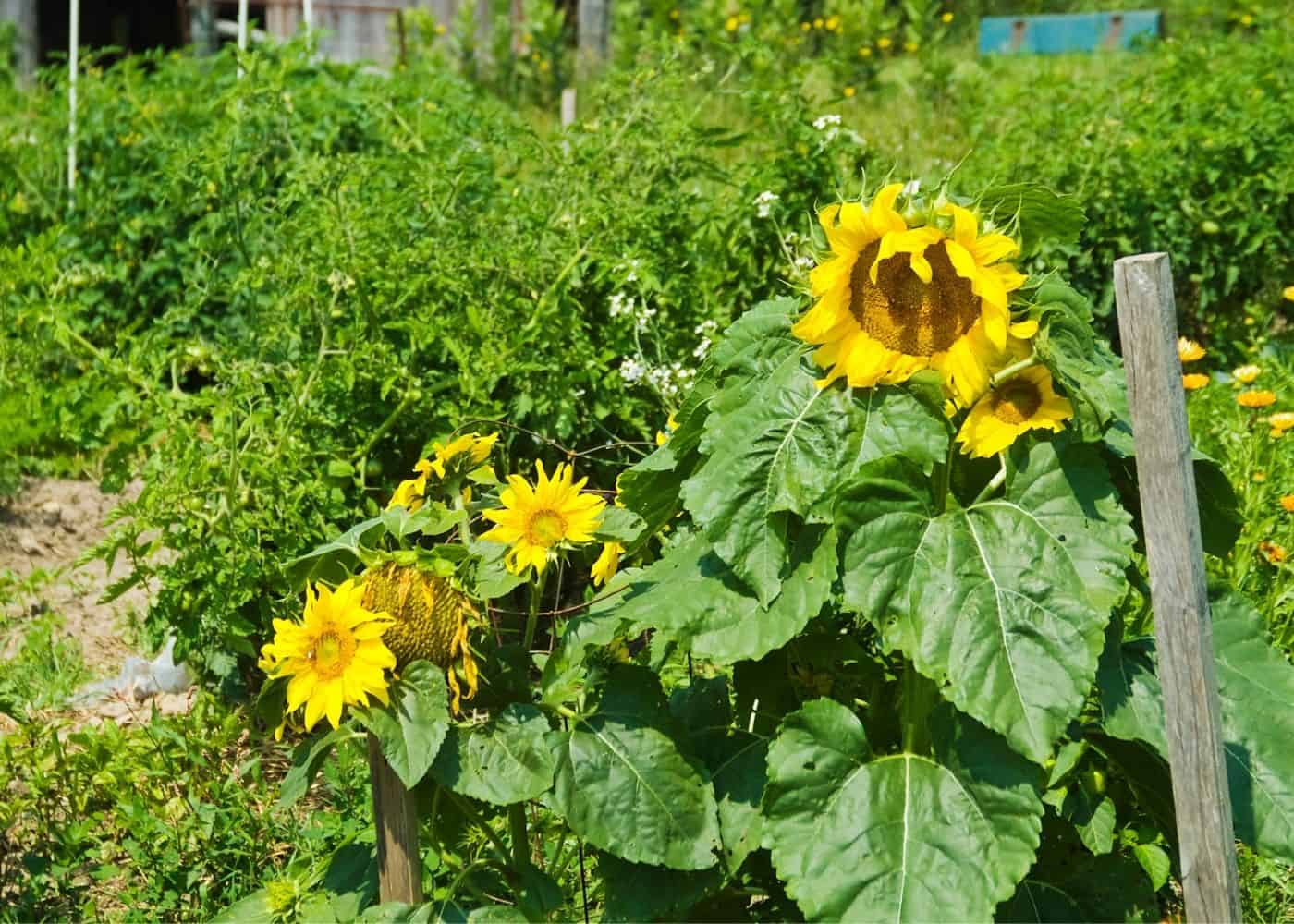
- Sunflowers: Sunflowers and buckwheat are both tall plants, so they can help to provide each other with support. Sunflowers also attract pollinators, which can help to pollinate buckwheat flowers.
If you are interested in learning more about buckwheat companion plants, I recommend visiting Gardenia Inspiration. This website provides a comprehensive overview of the best companion plants for buckwheat, as well as other information about growing and using this versatile plant.
FAQ of buckwheat companion plants
Question 1: What are the benefits of companion planting with buckwheat?
Answer: Buckwheat is a nitrogen-fixing plant, which means it can help to improve the soil quality in your garden. It also attracts beneficial insects, such as ladybugs and lacewings, which can help to control pests. Additionally, buckwheat can help to suppress weeds and improve drainage.
Question 2: What are some good companion plants for buckwheat?
Answer: Some good companion plants for buckwheat include tomatoes, cucumbers, peppers, potatoes, beans, peas, and strawberries. Buckwheat can also be planted as a cover crop, which means it can be planted between other crops to help improve the soil quality.
Question 3: How do I plant buckwheat companion plants?
Answer: Buckwheat companion plants can be planted in the same way as any other crop. However, it is important to note that buckwheat is a fast-growing plant, so it is best to plant it early in the season.
Question 4: What are some common pests and diseases that affect buckwheat companion plants?
Answer: Some common pests and diseases that affect buckwheat companion plants include aphids, spider mites, and powdery mildew. These pests and diseases can be controlled with natural methods, such as insecticidal soap or neem oil.
Question 5: How do I harvest buckwheat companion plants?
Answer: Buckwheat companion plants can be harvested when the flowers have turned brown and the seeds are dry. The seeds can be threshed and used for flour, or they can be left on the plant to attract birds to your garden.
Image of buckwheat companion plants
Here are 5 different images of "buckwheat companion plants" from Pinterest:
- Nasturtiums: Nasturtiums are a great companion plant for buckwheat because they attract beneficial insects, such as ladybugs and lacewings, which help to control pests. They also help to suppress weeds and improve the soil.

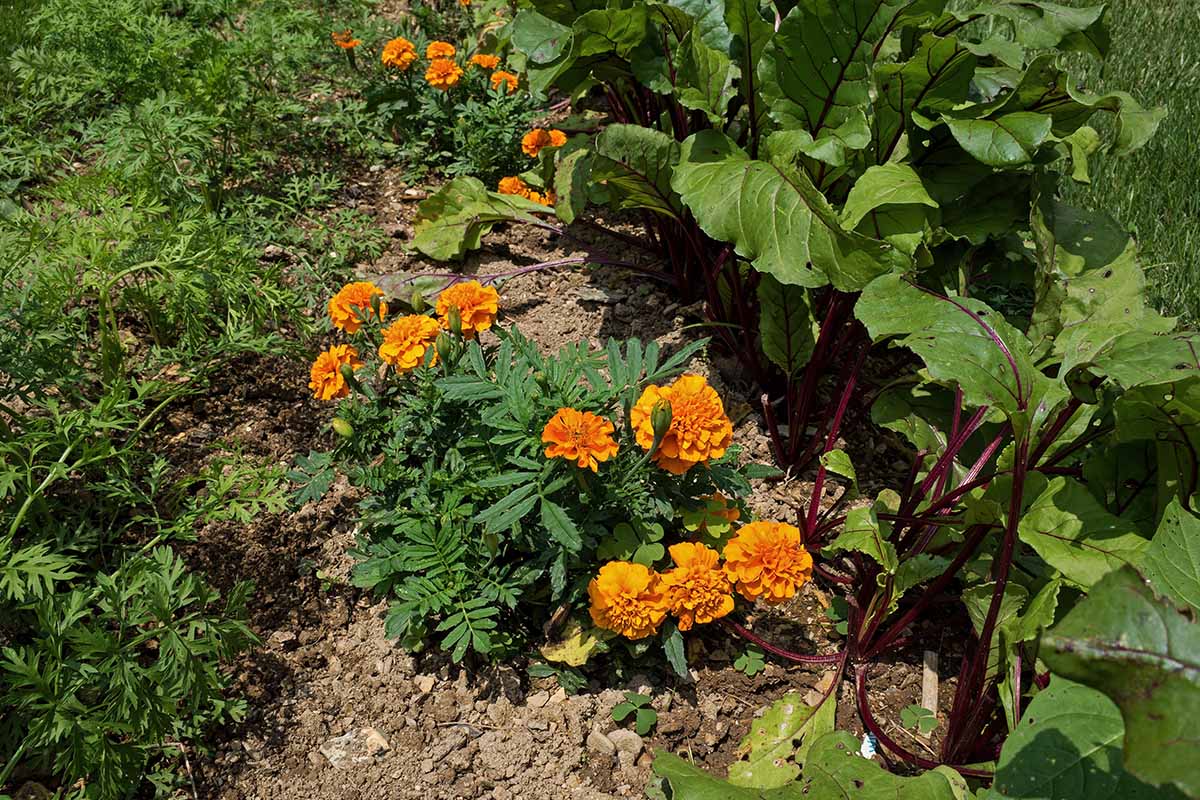
- Marigolds: Marigolds are another good companion plant for buckwheat. They help to repel pests, such as nematodes and aphids, and they also improve the soil.
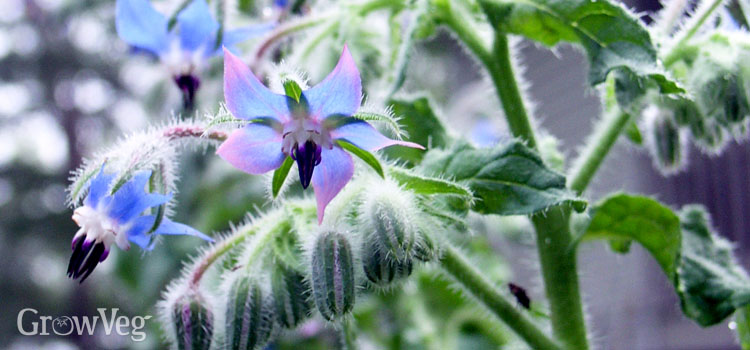
- Borage: Borage is a nitrogen-fixing plant, which means it helps to improve the nitrogen content of the soil. It also attracts pollinators, such as bees and butterflies.
- Sunflowers: Sunflowers are a tall plant, which can help to shade buckwheat from the sun. They also attract pollinators and help to improve the soil.
- Cucumbers: Cucumbers are a good companion plant for buckwheat because they both need full sun and well-drained soil. They also help to suppress weeds.


Post a Comment for " Amazing Companion Plants For Buckwheat"